
Call us now :08045804265
 Send Inquiry
 Send Inquiry
Rainwater Harvesting Construction
Price 65000-1500000 INR/ Unit
MOQ : 1 , , Unit
Rainwater Harvesting Construction Specification
- Collection Method
- Direct Roof Surface Runoff, Surface Runoff
- Compliance Standard
- IS 15797:2008 / Local Municipal Specifications
- Material Used
- Concrete, PVC, Stainless Steel, HDPE
- System Components
- Gutter, Downspout, First Flush Diverter, Filtration Unit, Storage Tank
- Feature
- Eco-Friendly, Cost Effective, Durable, Low Maintenance
- Installation Site
- Rooftop, Ground Level
- Service Life
- 20-30 Years
- Type of Construction
- Rainwater Harvesting Construction
- Maintenance Frequency
- Biannual
- Application Area
- Residential, Commercial, Industrial, Institutional Buildings
- Filtration System
- Multi-stage Filtration: Sand, Gravel, Activated Carbon
- Capacity Range
- 500 Liters to 100,000 Liters
Rainwater Harvesting Construction Trade Information
- Minimum Order Quantity
- 1 , , Unit
- Supply Ability
- 5 Units Per Month
- Delivery Time
- 1 Months
About Rainwater Harvesting Construction
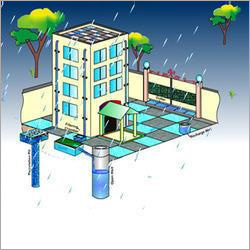
We are gaining consistent appreciation all across the nation by rendering Commercial Rainwater Harvesting Construction sited at Ludhiana Punjab, India. This service is rendered by our diligent professionals working in close-coordination with our respected clients to rain water construction by judicial use of given carpet area. With the aid of modern techniques and quality-approved construction materials, we also assure storage of rainwater in safe manner. Furthermore, this Rainwater Harvesting Construction can be availed from us at the most competitive prices.
Features:
- Rendered as per the needs of patrons
- Flexible payment mode
- Baked with dedicated workforce
Comprehensive Rainwater Harvesting Solutions
Our rainwater harvesting systems are built for a broad spectrum of applications, including residential complexes, commercial establishments, industrial plants, and institutional facilities. Each system is custom-designed to maximize water collection, storage, and filtration efficiency, while ensuring regulatory compliance and long-term performance.
Multi-Stage Filtration for Clean Water
Leveraging sand, gravel, and activated carbon, our advanced filtration units purify collected rainwater for non-potable uses, ranging from landscaping and sanitation to commercial processes. The multi-stage approach significantly reduces debris, sediment, and organic contaminants, delivering consistently higher water quality.
Durable and Cost-effective Construction
Constructed from high-quality materials like concrete, PVC, stainless steel, and HDPE, our systems combine longevity and sustainability. With minimal maintenanceonly required biannuallythese systems offer hassle-free operation and substantial cost savings over their 20 to 30-year service life.
FAQs of Rainwater Harvesting Construction:
Q: How is rainwater collected and stored in your system?
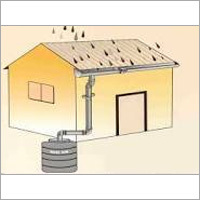
A: Rainwater is captured through gutters and downspouts from the rooftop, or via ground-level catchment surfaces. The water is then directed through a first flush diverter and a multi-stage filtration unit (sand, gravel, activated carbon) before being stored in robust storage tanks constructed from concrete, PVC, HDPE, or stainless steel.Q: What is the process for installing a rainwater harvesting system on my property?
A: Installation starts with a site assessment to determine optimal capacity and configuration. The system is then built using quality materials, with components like gutters, downspouts, first flush diverters, filtration units, and storage tanks installed according to IS 15797:2008 and local specifications. The entire process is managed by our expert team for seamless integration.Q: When and how often should the rainwater harvesting system be maintained?
A: To ensure optimal performance and water quality, the system should undergo maintenance twice a year (biannually). This typically involves cleaning gutters, downspouts, the first flush diverter, filtration units, and the storage tank, as well as checking all components for integrity.Q: Where can your rainwater harvesting system be installed?
A: Our systems are suitable for installation at a variety of sites, including rooftops and ground level in residential, commercial, industrial, and institutional buildings across India.Q: What are the main benefits of installing a rainwater harvesting system?
A: The system provides an eco-friendly way to conserve water, reduces dependence on municipal supplies, lowers utility costs, and supports sustainable building practices. Its durable construction and low maintenance requirements make it a cost-effective long-term investment.Q: What materials are used in the construction of your rainwater harvesting systems?
A: We utilize premium materials such as concrete, PVC, stainless steel, and HDPE to ensure durability, reliability, and compliance with regulatory standards like IS 15797:2008.Q: How does the filtration system ensure water quality?
A: The multi-stage filtration system incorporates layers of sand, gravel, and activated carbon, effectively removing debris, sediments, and organic contaminants, which ensures that the stored rainwater is clean and suitable for various non-potable purposes.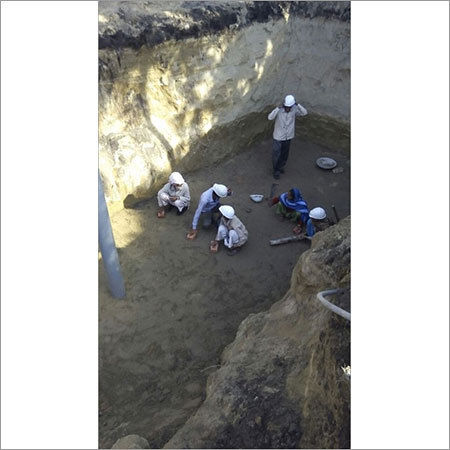
Tell us about your requirement

Price:
Quantity
Select Unit
- 50
- 100
- 200
- 250
- 500
- 1000+
Additional detail
Mobile number
Email

More Products in Rainwater Harvesting Projects Category
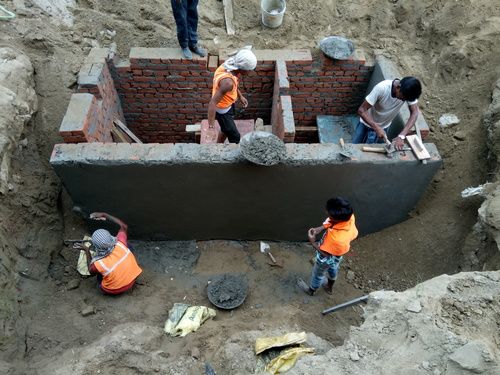
Rain Water Harvesting Tank Construction
Price 65000-1500000 INR / Unit
Minimum Order Quantity : 1 Unit
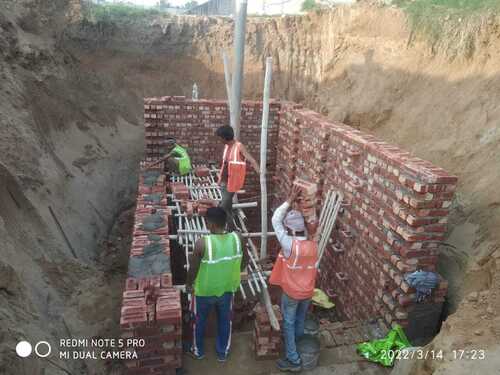

"We are only dealing in Punjab, Haryana, Himachal Pradesh, Uttar Pradesh "
 Send Inquiry
Our Products

St. No. 3, Mukhtiyar Nagar, Nr. Radha Swami Satsang Ghar, B. S. Chowk, Lohara, Ludhiana - 151211, Punjab, India

 Send Inquiry
 Send SMS
Developed and Managed by Infocom Network Private Limited.
