
Call us now :08045804265
 Send Inquiry
 Send Inquiry
Surface Runoff Rainwater Harvesting
Price 65000-1500000 INR/ Unit
MOQ : 1 Unit
Surface Runoff Rainwater Harvesting Specification
- Application
- Rainwater Collection and Storage
- Surface Treatment
- Waterproof Coating
- Capacity
- Customizable as per site requirements
- Overflow System
- Provided
- Material
- RCC (Reinforced Cement Concrete)
- Inlet Size
- Customizable
- Installation Type
- Onsite Civil Structure
- Usage
- Residential, Institutional, Commercial, Industrial
- Automation Grade
- Manual
- Safety Features
- Lockable Covers, Ventilation Provision
- Filtration Method
- Multi-stage Gravels and Sand Filters
- Lifespan
- 20-30 Years
- Product Type
- Surface Runoff Rainwater Harvesting
- Compliance Standards
- BIS (IS 1172:1993) and CPCB Guidelines
- Maintenance
- Low Maintenance
- Shape
- Rectangular or Circular
Surface Runoff Rainwater Harvesting Trade Information
- Minimum Order Quantity
- 1 Unit
- Supply Ability
- 5 Units Per Month
- Delivery Time
- 1 Months
About Surface Runoff Rainwater Harvesting
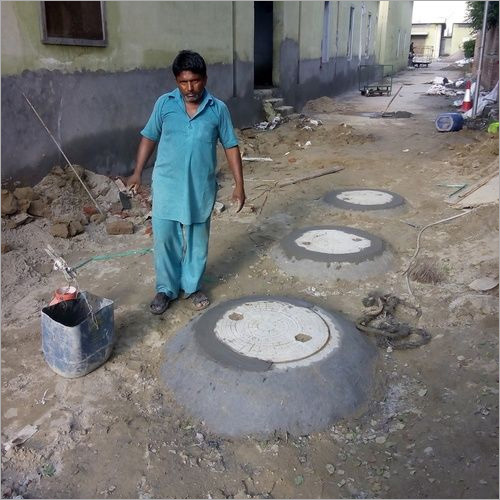
We are counted amongst the renowned service providers engaged in providing Surface Runoff Rainwater Harvesting service sited at Ludhiana Punjab, India. The provided service is extensively demanded in the market for collecting rainwater for landscape irrigation. This service is rendered in proper observation of our professionals are well-aware of the modern concepts and methodology. In addition to this, the offered Surface Runoff Rainwater Harvesting service can be availed form us at the best market rates.
Features:
- Backed with dedicated work force
- Rendered with the use of latest machine
- Hassle free management in professional manner
Efficient Multi-Stage Filtration
Our rainwater harvesting systems utilize a sequence of gravel and sand filtration layers to ensure thorough removal of debris and particulate matter from surface runoff. This process reliably purifies rainfall before it reaches your storage tank, guaranteeing high-quality water suitable for diverse applications while minimizing maintenance efforts.
Robust and Customizable Construction
Constructed from reinforced cement concrete (RCC), these structures are built for lasting durability and safety. Available in both rectangular and circular shapes, and with customizable capacities and inlet sizes, our systems cater to site-specific requirementsa practical fit for residential, commercial, institutional, or industrial use across India.
Safety, Compliance, and Low Maintenance
Safety is prioritized with lockable covers and ventilation provisions, while our adherence to BIS (IS 1172:1993) and CPCB guidelines ensures regulatory compliance. The system is manual, onsite, and requires minimal upkeep, making it a reliable and convenient choice for long-term rainwater harvesting.
FAQs of Surface Runoff Rainwater Harvesting:
Q: How does the multi-stage filtration system work in surface runoff rainwater harvesting?
A: The system uses multiple layers of gravel and sand to sequentially filter surface runoff, effectively trapping debris, sediment, and impurities. This process provides clean water for storage and use, significantly improving water quality while keeping maintenance needs low.Q: What are the key benefits of using an onsite RCC structure for rainwater harvesting?
A: RCC (Reinforced Cement Concrete) provides exceptional strength, ensuring the system is durable and long-lastingtypically 20-30 years. Its smooth, waterproof interior and robust construction prevent leaks and withstand environmental stress, making it ideal for a variety of environments.Q: When is the optimal time to install a rainwater harvesting structure?
A: It is best to install the rainwater harvesting structure before the onset of the rainy season. This allows you to maximize water collection from the very first rainfall and ensures that the system is functional and ready to operate efficiently when needed.Q: Where can this rainwater harvesting system be applied?
A: The system is versatile and can be used in residential complexes, schools, commercial sites, industries, and institutions. Its customizable design allows adaptation to a wide range of property sizes and operational requirements across India.Q: What is the maintenance process for this low-maintenance rainwater harvesting system?
A: Routine maintenance involves periodic inspection of the gravel and sand filters, clearing any blockages, and checking the waterproofing. The lockable covers allow safe and convenient access for servicing, making overall upkeep simple and infrequent.Q: How does the system address safety and regulatory compliance concerns?
A: Safety is ensured through lockable covers and proper ventilation, preventing unauthorized access and maintaining air quality. The design complies with BIS (IS 1172:1993) and CPCB guidelines for rainwater harvesting, ensuring it meets all necessary standards.Q: What customization options are available for capacity and inlet size?
A: Both the storage capacity and inlet size are fully customizable based on the sites catchment area and user requirements. This flexibility allows the system to efficiently harvest and manage rainwater for both small and large-scale applications.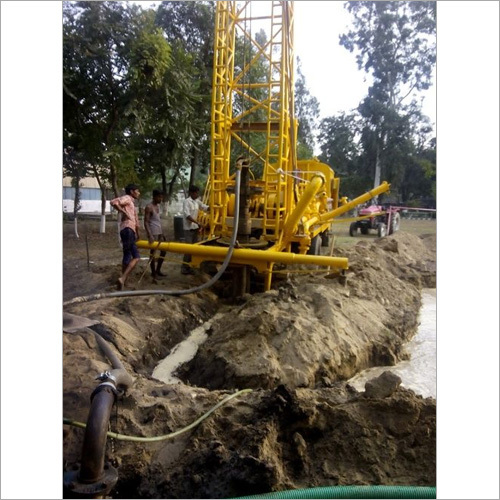
Tell us about your requirement

Price:
Quantity
Select Unit
- 50
- 100
- 200
- 250
- 500
- 1000+
Additional detail
Mobile number
Email

More Products in Rainwater Harvesting Projects Category
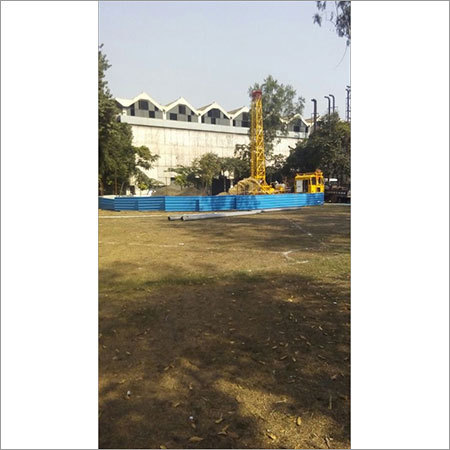
Commercial Rainwater Harvesting Project
Price 65000-1500000 INR / Unit
Minimum Order Quantity : 1 , , Unit
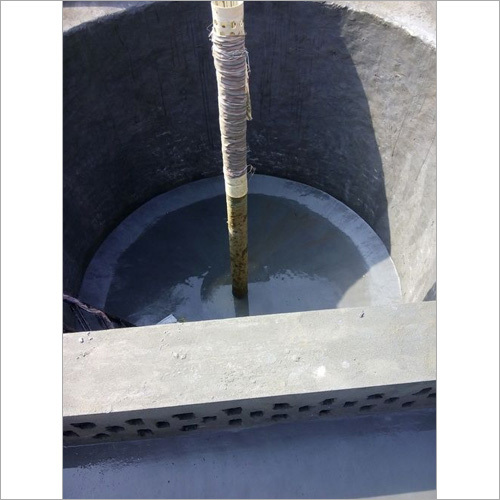
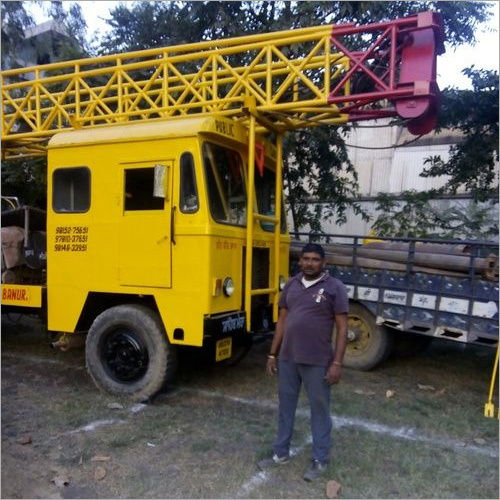

"We are only dealing in Punjab, Haryana, Himachal Pradesh, Uttar Pradesh "
 Send Inquiry
Our Products

St. No. 3, Mukhtiyar Nagar, Nr. Radha Swami Satsang Ghar, B. S. Chowk, Lohara, Ludhiana - 151211, Punjab, India

 Send Inquiry
 Send SMS
Developed and Managed by Infocom Network Private Limited.
