
Call us now :08045804265
 Send Inquiry
 Send Inquiry
Rainwater Harvesting Pit Construction
Price 65000-1500000 INR/ Unit
MOQ : 1 Unit
Rainwater Harvesting Pit Construction Specification
- Application
- Rainwater Harvesting
- Life Expectancy
- 10-25 Years with Proper Maintenance
- Shape
- Rectangular or Circular
- Maintenance Requirement
- Periodic Cleaning of Filter Media
- Filtration Media
- Gravel, Sand, Pebbles
- Eco-Friendly
- Yes
- Type
- Pit Construction
- Water Holding Capacity
- As per client/site specification
- Usage
- Commercial, Residential, Industrial
- Lid Cover
- Heavy Duty Concrete or Metal, Optional
- Diameter/Width
- Customized based on water catchment area
- Installation Location
- Open Spaces, Rooftops, Courtyards
- Depth
- Customized as per requirement
- Customization Available
- Yes, as per site and client requirement
- Material
- Concrete, Gravel, Bricks
- Construction Method
- Manual or Mechanical Excavation
- Purpose
- Groundwater Recharge and Storage
- Inlet/Outlet
- Provided as per site design
Rainwater Harvesting Pit Construction Trade Information
- Minimum Order Quantity
- 1 Unit
- Supply Ability
- 5 Units Per Month
- Delivery Time
- 1 Months
About Rainwater Harvesting Pit Construction
Being the topmost service provider of Ludhiana Punjab, India, we are engrossed in providing Rainwater Harvesting Pit Construction. While constructing these harvesting pits, we assure to utilize all the innovative methodology. As per the budget as well as needs of our clients, we use best quality construction materials. Moreover, the whole process is guided and supervised by diligent professionals. Further, we offer this Rainwater Harvesting Pit Construction service to our patrons within budgeted prices.
Features:
-
Ideal for storing rainwater
-
Rendered in prompt manner
-
Hassle free management
Efficient Water Management for Every Space
Whether for residential courtyards, large industrial campuses, or commercial buildings, our rainwater harvesting pits are designed to optimize water collection and recharge. The flexibility in pit dimensions, filtration media, and construction methods ensures a perfect fit for diverse sites and water needs. Reinforced with sturdy materials and reliable design, our pits help you sustainably harness rainwater.
Custom Solutions for Maximum Sustainability
Each pit is built to specification, taking into account the unique site conditions and client requirements. The robust construction and quality filtration media guarantee efficient operation over years of changing weather. Our eco-friendly approach prioritizes long service life, easy maintenance, and significant water conservation benefits, helping you invest in a sustainable future.
FAQs of Rainwater Harvesting Pit Construction:
Q: How is the rainwater harvesting pit constructed on different sites?
A: The rainwater harvesting pit is constructed using either manual or mechanical excavation methods based on site accessibility and project scale. The pits dimensionsdiameter, width, and depthare fully customized according to the areas water catchment and client specifications. Filtration media such as gravel, sand, and pebbles are layered inside, and optional heavy-duty concrete or metal lids can be added for protection.Q: What materials are used in the construction of the rainwater harvesting pit?
A: High-quality and durable materials like concrete, gravel, bricks, sand, and pebbles are used in the construction of these pits. The choice of materials and design (rectangular or circular) is determined by client needs and the intended catchment area, ensuring long-lasting performance and effective filtration for groundwater recharge.Q: When should periodic maintenance be performed on the harvesting pit?
A: Periodic cleaning of the filter mediatypically gravel, sand, and pebblesis recommended at least once or twice a year, especially before and after the monsoon season. Regular maintenance ensures that the pit remains efficient in filtering debris and pollutants, thereby prolonging its lifespan and maximizing water retention.Q: Where can the rainwater harvesting pit be installed?
A: The pit can be installed in various locations such as open spaces, rooftops, or courtyards, depending on available space and the buildings layout. Installation location is selected based on optimal rainwater catchment efficiency and accessibility for maintenance.Q: What is the main process involved in rainwater harvesting using this pit construction?
A: Rainwater from roofs or open surfaces is directed into the pit, passing through the filtration media (gravel, sand, pebbles) to remove impurities. The filtered water then percolates into the ground, aiding groundwater recharge, or is stored for later use, depending on the site requirements and design.Q: How does installing a rainwater harvesting pit benefit property owners?
A: Installing a rainwater harvesting pit helps conserve water by replenishing groundwater resources, reducing water bills, and helping manage stormwater runoff. It also contributes to eco-friendly practices, increases the propertys sustainability, and can even help comply with local regulations in India regarding rainwater management.Q: Can the rainwater harvesting pit be customized for specific needs?
A: Yes, every aspect of the pitincluding size, shape, filtration system, inlet and outlet placement, and lid typecan be customized to suit your site conditions, water needs, and client preferences. This ensures maximum efficiency and suitability for both new and existing buildings.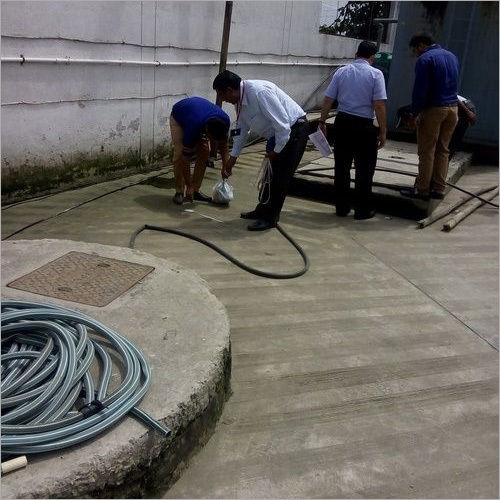
Tell us about your requirement

Price:
Quantity
Select Unit
- 50
- 100
- 200
- 250
- 500
- 1000+
Additional detail
Mobile number
Email

More Products in Rainwater Harvesting Projects Category

Industrial Rainwater Harvesting Project
Price 65000-1500000 INR / Unit
Minimum Order Quantity : 1 Unit
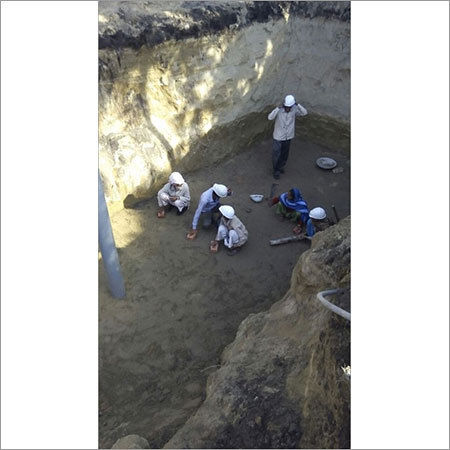
Rainwater Harvesting Construction
Price 65000-1500000 INR / Unit
Minimum Order Quantity : 1 , , Unit

"We are only dealing in Punjab, Haryana, Himachal Pradesh, Uttar Pradesh "
 Send Inquiry
Our Products

St. No. 3, Mukhtiyar Nagar, Nr. Radha Swami Satsang Ghar, B. S. Chowk, Lohara, Ludhiana - 151211, Punjab, India

 Send Inquiry
 Send SMS
Developed and Managed by Infocom Network Private Limited.
